
Coffee · Hot · 4 min
How to Make a Cappuccino
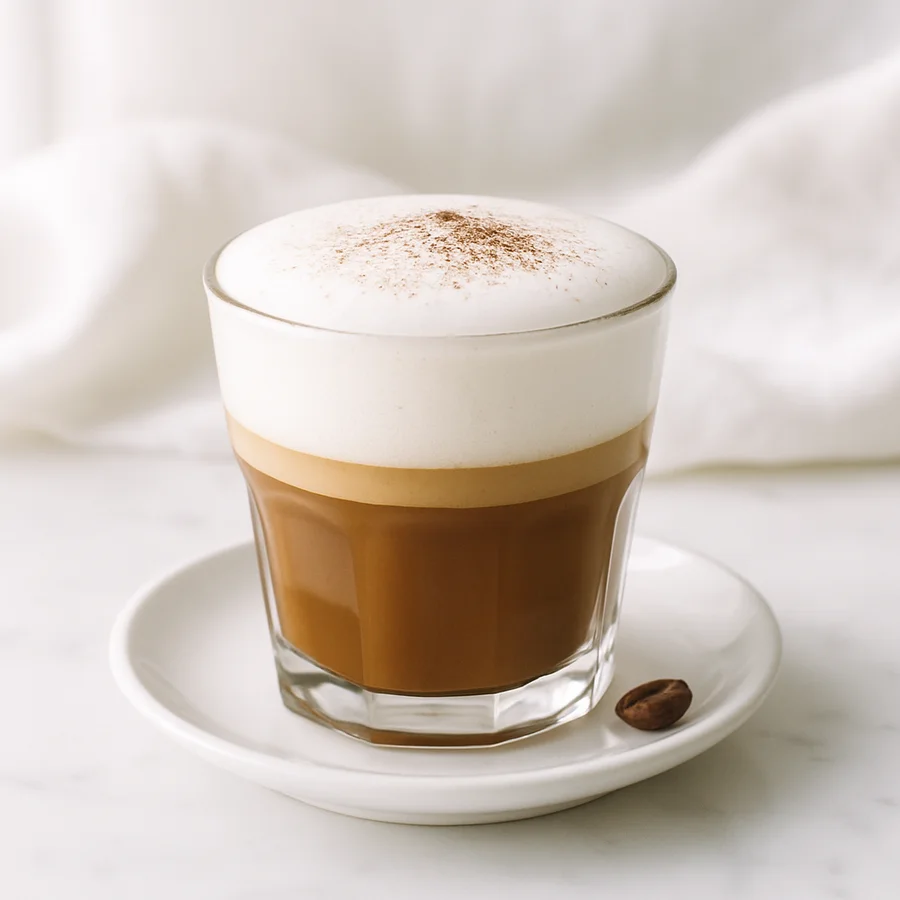
The classic balance: a shot of espresso, an equal part of steamed milk, and a thick, velvety cap of microfoam.
- Serves
- 1 (6 oz)
- Time
- 4 min
- Skill
- Pro
- Gear
- Espresso machine + steam wand
Ingredients
- 1 double espresso (36 g)
- 120 ml cold whole milk
- A 6 oz cup
Method
- 1
Pull a fresh double espresso into your cup.
- 2
Purge the steam wand, then steam the milk: introduce air near the surface for 2–3 seconds, then submerge the tip to build a whirlpool.
- 3
Stop steaming at ~60°C / 140°F — the jug should be just too hot to hold.
- 4
Swirl and tap the jug to knock out big bubbles and shine the foam.
- 5
Pour into the espresso, holding foam back at first, then let a generous cap settle on top.
Best results: A cappuccino is roughly ⅓ espresso, ⅓ milk, ⅓ foam. If you can pour latte art, your foam is too thin for a true cappuccino.
Nutrition & caffeine
Nutrition & caffeine
Per serving · 6 oz · with whole milk
Calories
80
Sugars
6 g
Caffeine
~165 mg
Milk
Sweetener
Caffeine about 165 mg · usually 125–205 mg
USDA reference valuesAbout 41% of the 400 mg a day the U.S. FDA says healthy adults can generally have. Less if you are pregnant, sensitive to caffeine, or on medication — ask your doctor.
- Total fat
- 4 g
- Saturated fat
- 2.5 g
- Total carbohydrate
- 7 g
- Dietary fibre
- 0 g
- Total sugars
- 6 g
- Protein
- 4 g
- Sodium
- 65 mg
- Calcium
- 140 mg
Contains: milk.
Where these numbers come from
- Moksha espresso beans, pulled as espressoUSDA reference values
USDA FoodData Central 171891 — coffee, brewed, espresso
Per gram of ground coffee: USDA's per-100 g espresso values × 30 g of shot per 7 g of coffee. An 18 g double works out to about 164 mg of caffeine; real shots vary by about a quarter either way.
- Whole milkUSDA reference values
Calculated from this recipe's ingredients and amounts. Your drink will vary with the exact measures, brands and brew. Not a lab analysis, and not medical advice.
Why it works
The cappuccino's identity is its foam-to-milk ratio, not its size — it carries more air than any other espresso drink, which is why it drinks lighter and tastes sweeter than a same-size latte. Cold, fresh whole milk foams best; its proteins and fat trap the tiny bubbles that give a proper cap its meringue-like body.
Frequently asked
What's the difference between a cappuccino and a latte?
Same espresso base, different milk. A cappuccino is about a third foam over equal parts milk, so it's lighter and airier; a latte is mostly steamed milk with just a thin foam layer, so it's smoother and creamier.
Can I make a cappuccino without a steam wand?
You can approximate one: heat milk, then froth it with a handheld frother or by shaking it hot in a sealed jar until doubled in volume, and spoon the foam on top.
Keep brewing
Related recipes

Make it with Moksha.
Made with Organic Espresso Dark Roast Coffee Beans, Organic Espresso Medium Roast Coffee Beans or Espresso Medium & Dark Roast Coffee Beans.