
🚚 Free Shipping Nationwide on every order β€” no minimum.
Moksha Coffee Company

Our sourcing

From volcanic highlands and shaded Kyoto fields β€” to your cup

Great coffee and great matcha are decided long before roasting or whisking β€” in the soil, the altitude, and the centuries of craft behind them. Here's exactly where Moksha's organic beans and leaves come from, and why it matters.

USDA Organic

Every bean and leaf is certified organic β€” grown without synthetic pesticides or fertilizers.

Single-origin & traceable

Named growing regions, not anonymous blends β€” highland coffee and Uji matcha you can point to on a map.

Small-batch roasted

Roasted in small batches and shipped fresh, so it arrives close to its roast date.

Shade-grown

Slow-matured under canopy (coffee) and under shade nets (matcha) for depth, sweetness, and clean energy.

Our coffee: single-origin highland beans

Moksha espresso is single-origin, not a faceless commodity blend. Both origins are grown at altitude, in volcanic soil, under shade β€” the conditions that build sweetness, body, and clarity in the cup.

Guatemalan Highlands

Guatemala

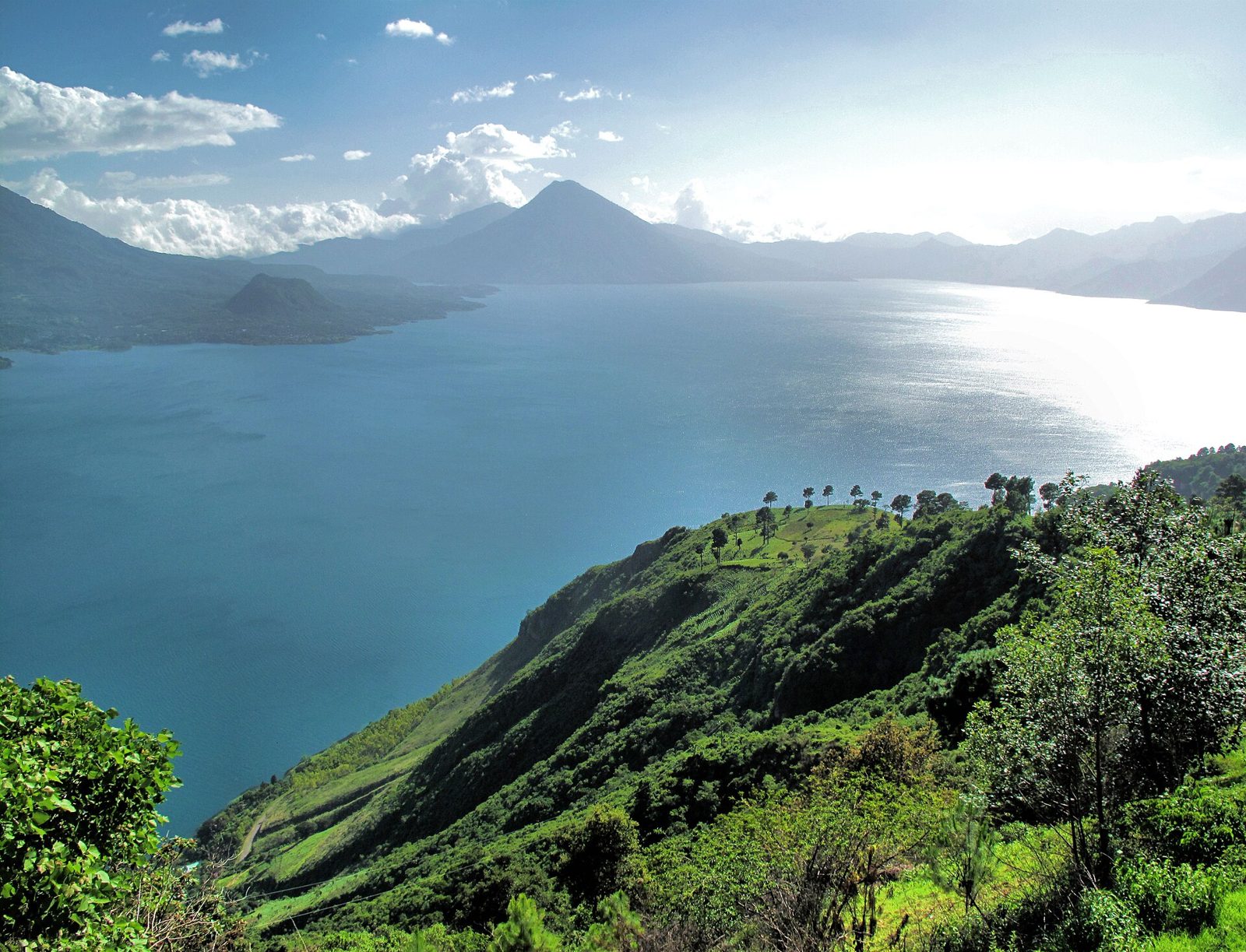
Our dark-roast espresso is grown in Guatemala's highland coffee belt, where mineral-rich volcanic soil, cool nights, and a pronounced wet-and-dry season slow the cherries as they ripen. That slow maturation at 1,500–2,000 metres β€” high enough to earn the country's Strictly Hard Bean (SHB) grade β€” concentrates sugars in the seed and builds the deep, structured cup Guatemala is famous for. The trees grow under a canopy of shade, a traditional method that protects the soil, shelters migratory birds, and lets the fruit develop more slowly and evenly.

Cherries are selectively hand-picked at peak ripeness, then fully washed β€” the fruit pulped away and the beans fermented and rinsed clean before drying in the Central American sun. Washed processing is what gives Guatemalan coffee its clarity and clean finish. We roast it dark in small batches to draw out the origin's natural cocoa and toasted-nut character without ever tipping into ashy or burnt β€” bold, but balanced.

In the cup: Expect a full, syrupy body with dark-chocolate depth, toasted almond and walnut, a whisper of baking spice, and a smooth, low-acid finish built for espresso and milk drinks. It's the backbone of The Hustle Shotβ„’ β€” the shot that pulls thick, holds its crema, and stands up to oat or whole milk without disappearing.
Dark chocolateToasted nutsBaking spiceFull body

Papua New Guinea Highlands

Papua New Guinea

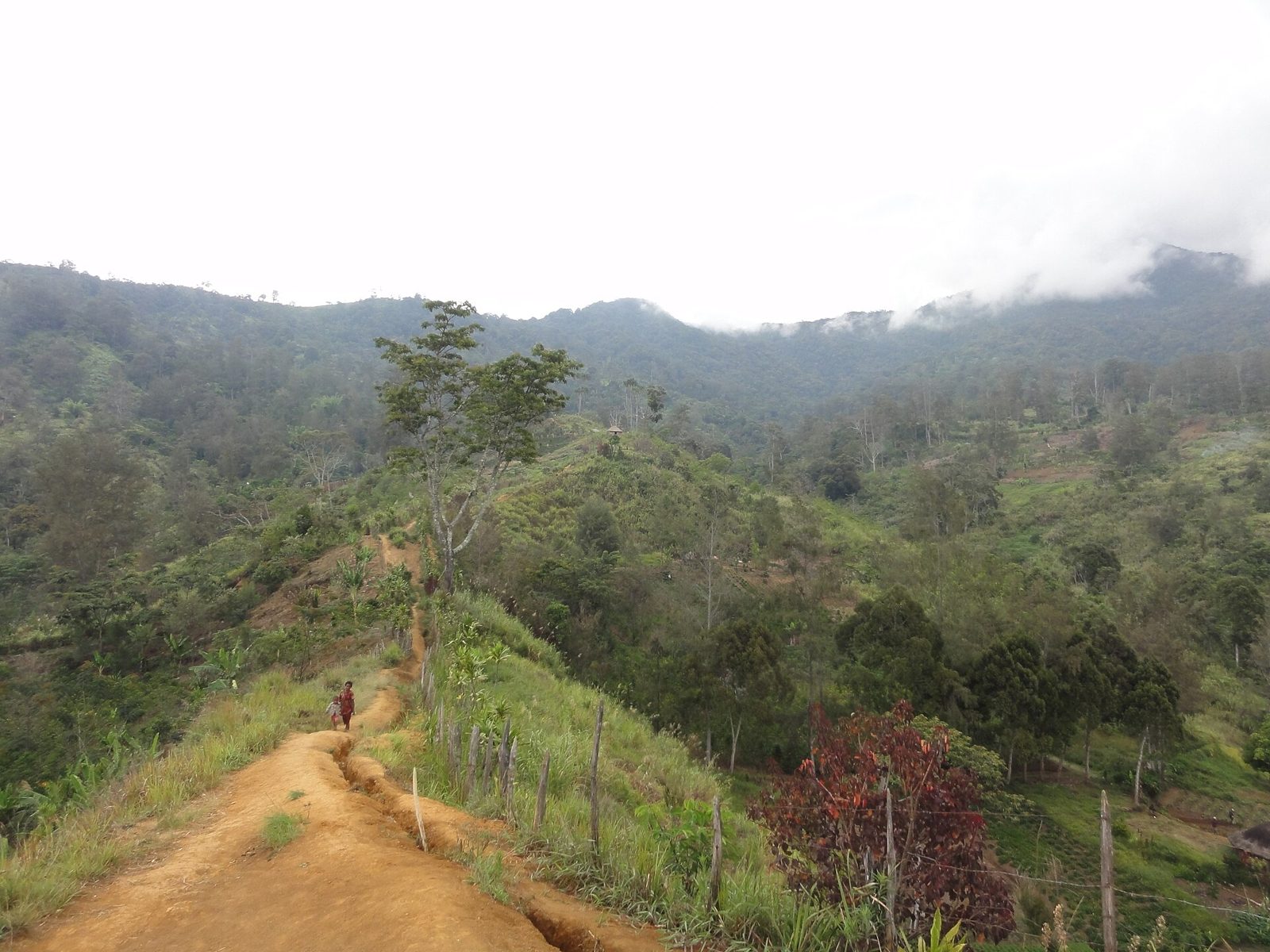
Our medium-roast espresso comes from the misty highlands of Papua New Guinea, a Melanesian origin so remote that most of its coffee is still 'garden coffee' β€” grown by tribal smallholders on small family plots interplanted with food crops, with no chemical inputs. The heirloom Typica trees here trace their lineage to Jamaica Blue Mountain seed. Deep volcanic soil, high rainfall, and elevations between 1,300 and 1,900 metres give the beans a bright highland complexity you rarely find at this price.

Cherries are hand-harvested and fully washed at village wet mills, then dried slowly in the highland air. Because it's grown in tended gardens rather than vast estates, the coffee is unusually traceable and carefully sorted. We roast it to a medium level β€” the sweet spot that keeps the origin's juicy fruit and cocoa intact while rounding it into a smooth, versatile espresso.

In the cup: A medium body with baker's cocoa and toffee sweetness, a soft caramel roundness, and a gently bright, almost fruit-forward highland lift. Balanced and approachable, it makes a forgiving, crowd-pleasing shot and a beautiful cortado or latte.

Baker's cocoaToffeeCaramelJuicy & bright

Our matcha: shade-grown, stone-milled Uji green tea

Not all matcha is created equal. Ours is grown in Uji, Kyoto β€” the origin the entire matcha world measures itself against β€” and made the slow, traditional way.

Uji, Kyoto β€” Japan

Japan

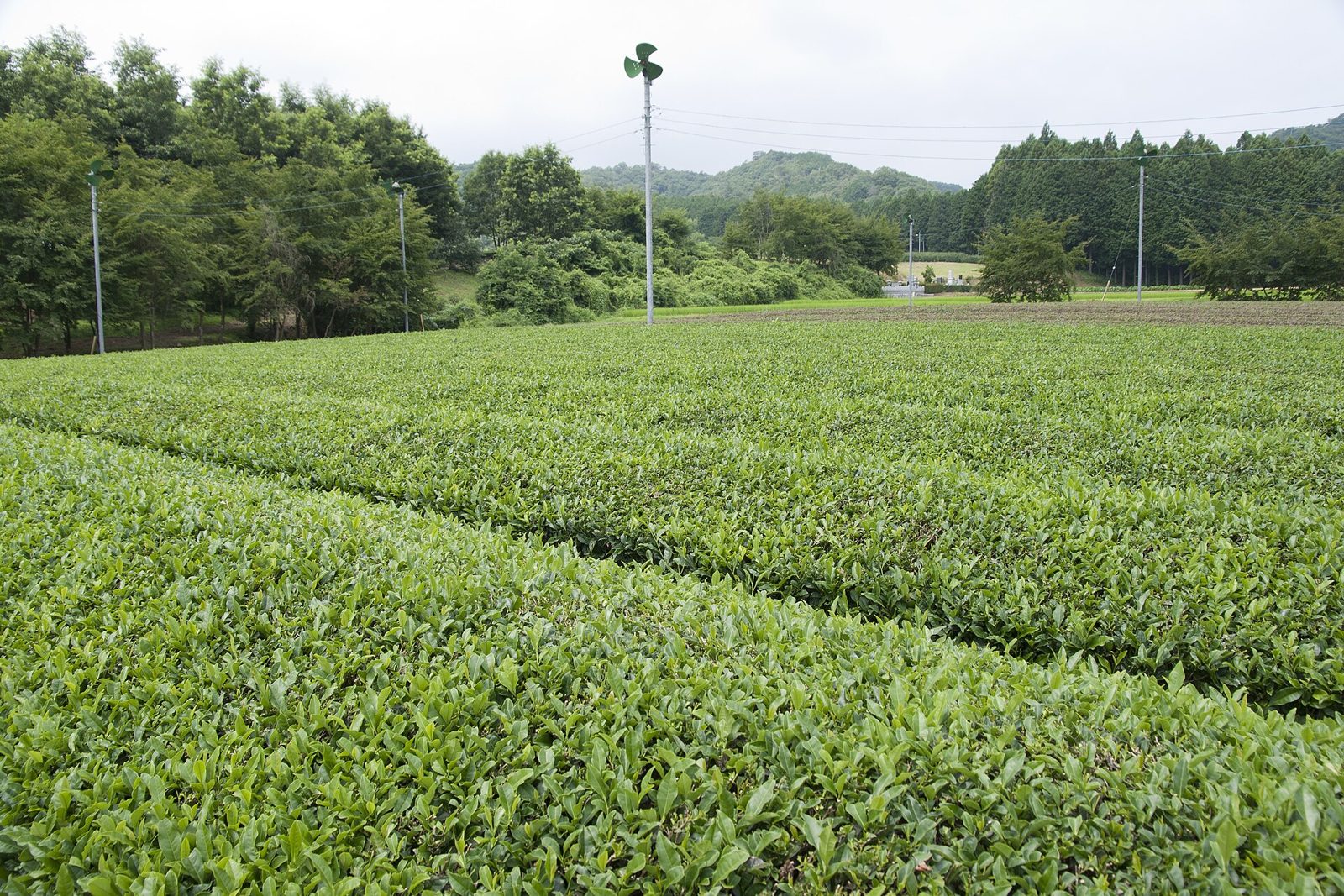
Uji, just south of Kyoto, is the spiritual home of Japanese tea β€” the region has perfected matcha for roughly 800 years, since Zen monks first brought the practice from China. Its mild, misty river-valley climate and centuries of accumulated craft are why 'Uji matcha' is the benchmark the rest of the world is measured against. Our matcha is grown here from prized cultivars like Samidori and Okumidori, prized for their natural sweetness and vivid color.

For the final 20–30 days before harvest, the tea plants are covered to block most sunlight (a technique called kabuse). Starved of light, the leaf floods with chlorophyll and L-theanine β€” the source of matcha's electric green color, its umami, and its signature calm-focus. Only the youngest, softest first-flush leaves are hand-selected, then steamed, dried, and de-veined into tencha. That tencha is finally ground between slow-turning granite stone mills β€” a single mill produces only about 30–40 grams an hour β€” into an ultra-fine, talc-soft powder that whisks up smooth and lump-free.

In the cup: A rich, creamy umami with sweet grassy notes and no harsh bitterness β€” the hallmark of properly shade-grown, stone-milled matcha. Because you drink the whole leaf, you get the full hit of catechin antioxidants (EGCG) plus L-theanine, which pairs with matcha's caffeine for sustained, jitter-free energy β€” calm power in a bowl.

UmamiSweet & grassyCreamyNo bitterness

Ceremonial grade

First-harvest young leaves, stone-milled to a delicate, naturally sweet, umami-forward powder. Meant to be whisked with water and savored β€” our Private Reserve leans this way.

Culinary grade

A heartier grade built to hold its bright color and flavor in lattes, smoothies, and baking. Our everyday organic and cafΓ©-style sweet matcha are made for exactly this.

Sourcing questions, answered

Where does Moksha's coffee come from?
Our organic espresso is single-origin, grown in two of the world's great highland coffee regions: a dark roast from the volcanic Guatemalan highlands (1,500–2,000 m) and a medium roast from the remote Papua New Guinea highlands (1,300–1,900 m). Both are shade-grown, hand-picked, fully washed, and certified USDA Organic.
Where does your Japanese matcha come from?
Our matcha is grown and stone-milled in Uji, Kyoto β€” the birthplace of Japanese matcha, with roughly 800 years of tea-making heritage. The plants are shade-grown for the final 20–30 days before a first-flush spring harvest, then the leaf is de-veined into tencha and ground between granite stone mills into an ultra-fine, USDA-Organic powder.
What's the difference between ceremonial and culinary matcha?
Ceremonial-grade matcha is made from the youngest first-harvest leaves, stone-milled to a delicate, naturally sweet, umami-rich powder meant to be whisked with just water. Culinary-grade is a heartier grade built to hold its flavor and color in lattes, smoothies, and baking. Our Private Reserve leans ceremonial; our everyday organic and sweet matcha are cafΓ©-style culinary grades.
Is Moksha coffee and matcha organic?
Yes β€” everything we sell is USDA Certified Organic: grown without synthetic pesticides or fertilizers. Our highland coffee is shade-grown, which also protects soil and bird habitat, and our matcha is grown to organic standard in Uji.
How fresh is the coffee?
We roast in small batches and ship fast, so beans reach you close to their roast date rather than sitting on a shelf. Whole-bean stays freshest; we also grind to order for espresso and drip.

Taste the origin

Shop the beans and leaves behind the story β€” roasted fresh, shipped fast, and always organic.